
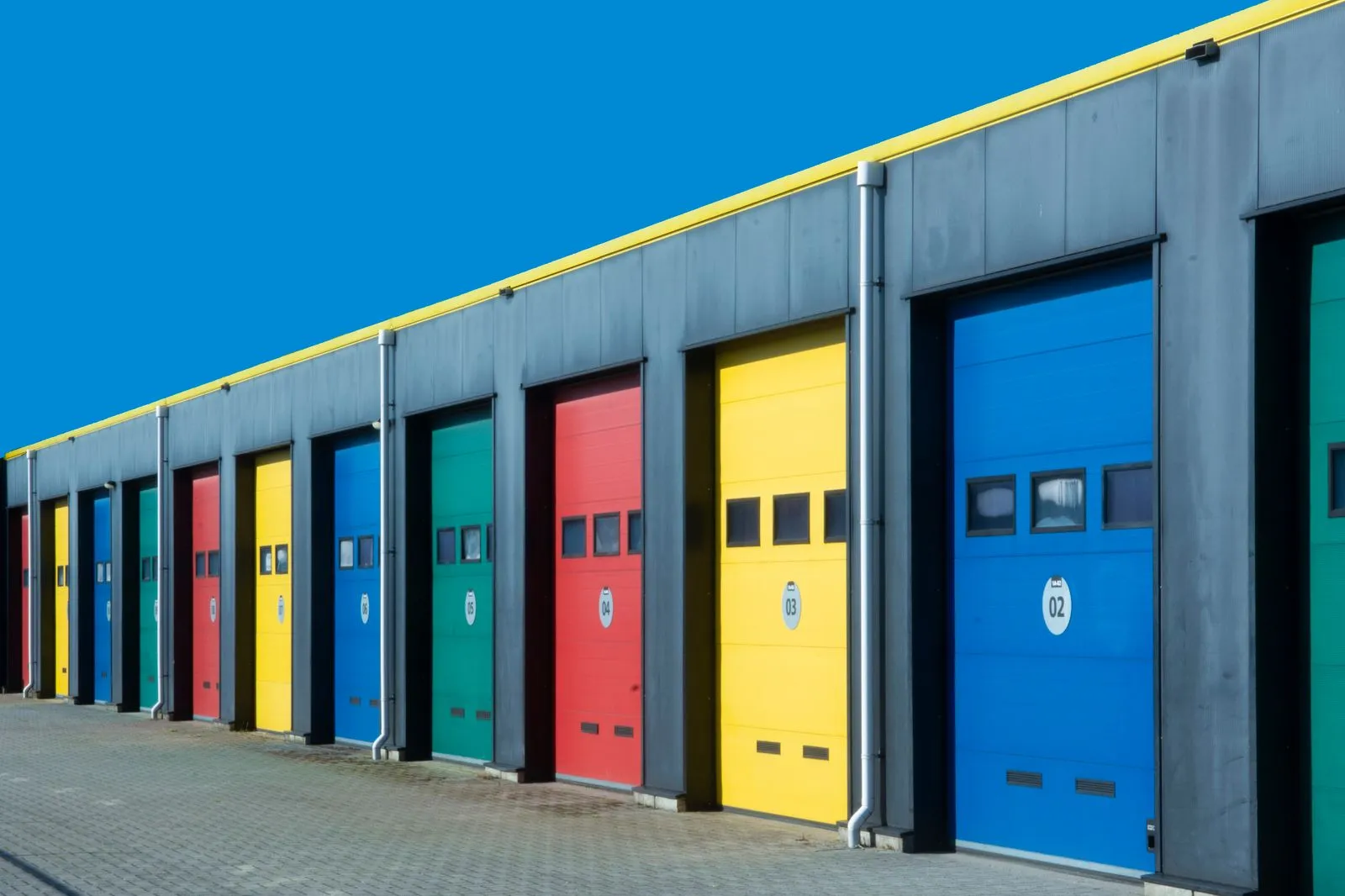
An older garage door can add plenty of character, but age and exposure can make it harder to open, less secure, or more vulnerable to the weather. Sticking, sagging, and damaged timber or metal are common warning signs. Some issues have simple causes, while others involve heavy panels, cables, springs, or the door frame. Here’s what to look for, what you can safely check, and when it’s time to bring in a garage door professional.
When the Door Sticks
A door that catches, jerks, or needs a strong shove may have dirt or debris in its tracks, loose hardware, or rollers that no longer move freely. Timber doors can also swell after damp weather, leaving too little clearance at the sides or along the floor. Notice whether the sticking happens in one spot or throughout the full opening; that detail can help pinpoint the cause.
Start with a visual check while the door is closed. Look for leaves, grit, bent track sections, or obvious loose fasteners. Keep hands clear of moving parts, and don’t force a door that feels unusually heavy or jams firmly. Avoid adjusting springs, cables, or track alignment yourself: these parts can be under significant tension, and a misaligned door may fall or cause injury.
Signs of Sagging
Sagging may show up as an uneven bottom edge, a panel that bows in the middle, or gaps that differ from one side to the other. On older doors, weakened joints, worn hinges, water-damaged timber, or a strained frame can contribute. A door that no longer sits square may scrape the opening or place extra load on its tracks and lifting mechanism.
Don’t try to lift or straighten a heavy door by hand. If it hangs unevenly, drops unexpectedly, or shifts when you operate it, stop using it and keep people clear of the area. A professional can inspect the door, frame, hinges, tracks, and lifting components to identify whether the issue can be repaired safely or whether some parts need replacement.
Weather Damage to Watch
Rain, moisture, sun, and temperature changes can gradually wear down an older garage door. Look for peeling paint, soft or split timber, rust, swelling, loose joints, or gaps that let water and drafts inside. Water marks on nearby walls or a musty smell may point to leaks around the door or frame rather than damage to the panel alone.
Keep the door’s surface and surrounding area clear enough to inspect, and note where damage appears or worsens after rain. Prompt attention can help prevent a small area of deterioration from spreading. Use caution with flaking coatings or splintered material, and avoid covering damage before its cause is understood; trapped moisture can make decay harder to spot.
When to Call a Professional
Arrange a professional inspection if the door is badly out of balance, comes off its track, makes sudden grinding or banging sounds, or has damaged springs, cables, or lifting hardware. Call promptly if it won’t stay open, drops, or puts pressure on the frame. These problems can create a serious safety risk, so don’t keep operating the door to see whether it improves.
Share what you’ve noticed: when the problem began, whether it changes with the weather, and where the door sticks or looks uneven. A restorer can assess the door’s condition and discuss practical repair options while considering its original materials and appearance. Geelong Heritage Doors works with older garage doors in Geelong, where careful assessment can help preserve character while addressing safety and function.
Sticking, sagging, and weather damage are worth addressing before they leave an older garage door difficult or unsafe to use. Check for visible changes, avoid forcing the door, and leave tensioned or unstable components to a professional. If your door is showing these signs, arrange an inspection to understand the safest next step.