
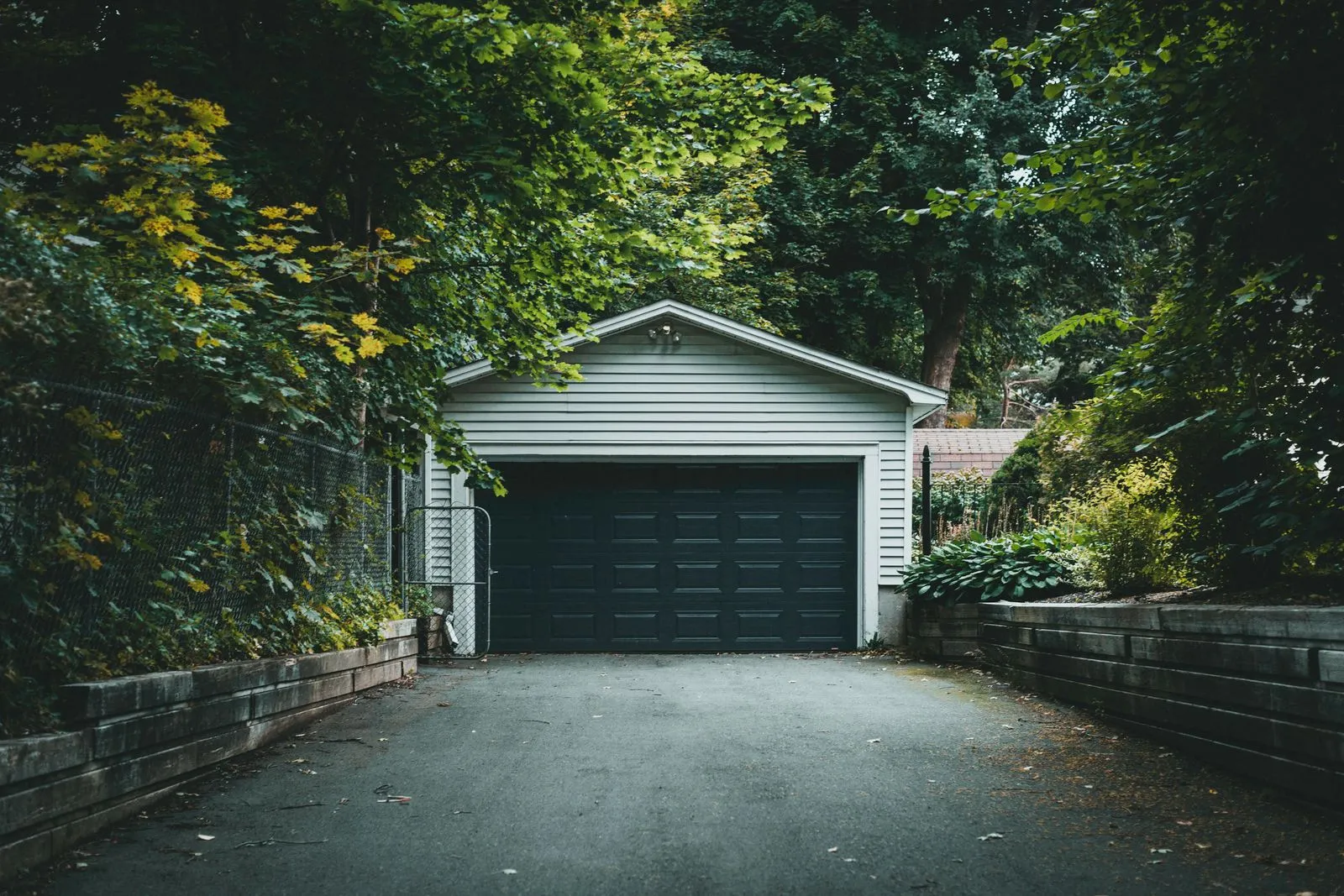
Timber garage doors bring warmth and character to a home, but changing weather and everyday use can take a toll. A little regular care helps protect the finish, spot small problems early, and keep the door operating smoothly. You do not need an elaborate routine: gentle cleaning and a quick inspection every few months are a useful start. Pay extra attention after heavy rain or long spells of hot, sunny weather, when timber and coatings can show changes.
Clean Gently and Regularly
Remove loose dust, leaves, and cobwebs with a soft brush or cloth. For grime, use a clean sponge with mild soapy water, working from the top down. Rinse with a damp cloth and dry the surface with a towel. Avoid pressure washers, abrasive pads, and harsh cleaners; they can damage the coating or force water into joints.
Check the manufacturer’s care guidance before using any cleaner or treatment, especially on a recently refinished door. Clean the bottom edge and areas around the handles and hinges, where dirt and moisture can collect. Keep garden sprinklers from repeatedly wetting the door, and trim plants that rub against it.
Check the Finish
Look over the door in daylight for fading, dull patches, peeling, blistering, or cracks in the coating. Inspect edges, panel joints, and the bottom of the door closely, as these areas often face more moisture and wear. A finish that no longer sheds water evenly may need attention before exposed timber begins to deteriorate.
Follow the finish maker’s instructions for recoating intervals and preparation. Do not paint or seal over a dirty, damp, or flaking surface. If you are unsure what coating is already on the door, test any proposed product in a small, hidden spot or ask a timber-door professional for advice.
Spot Wear Before It Spreads
Watch for swollen panels, splitting, soft or discolored timber, loose trim, and gaps that appear around the frame. These changes can point to water entry or movement in the door. Note whether the door sticks, scrapes, sits unevenly, or makes a new noise when opening. Those symptoms may involve the hardware or alignment, not just the timber.
Check hinges and visible fixings for looseness or rust, but do not adjust springs or other high-tension components yourself. Keep the door’s tracks clear of leaves and dirt, and make sure nothing blocks its path. If the door becomes difficult to lift, drops suddenly, or shows significant timber damage, stop using it if safe and arrange an inspection.
Make a Simple Care Routine
Set a reminder every few months to clean the door and scan for changes. After storms or prolonged wet weather, check for pooling water, fresh swelling, and damage to the coating. Take a photo when you notice a small crack or faded area; comparing it later can help you see whether the issue is spreading.
Keep a record of cleaning, repairs, and finish products used. This makes future maintenance easier and helps anyone servicing the door understand its history. For older or heritage timber doors, choose repairs and coatings that suit the existing material and appearance rather than covering original details without checking first.
A gentle wash, a careful look at the finish, and attention to changes in movement can help you catch problems while they are manageable. Keep up a simple inspection routine, and seek qualified help when damage or operation issues go beyond basic care. For guidance on maintaining a heritage timber door, contact Geelong Heritage Doors.